

Popularization and Exploration of New Food Ingredients
Have you ever tried curry and yellow Indian hand-pulled rice? The key ingredient in curry is turmeric, which contains curcumin.
Turmeric and ginger come from different plants. Ginger has yellow skin and flesh, helps boost metabolism, and can improve circulation, particularly for those with cold hands and feet. Its primary active compound is gingerol.
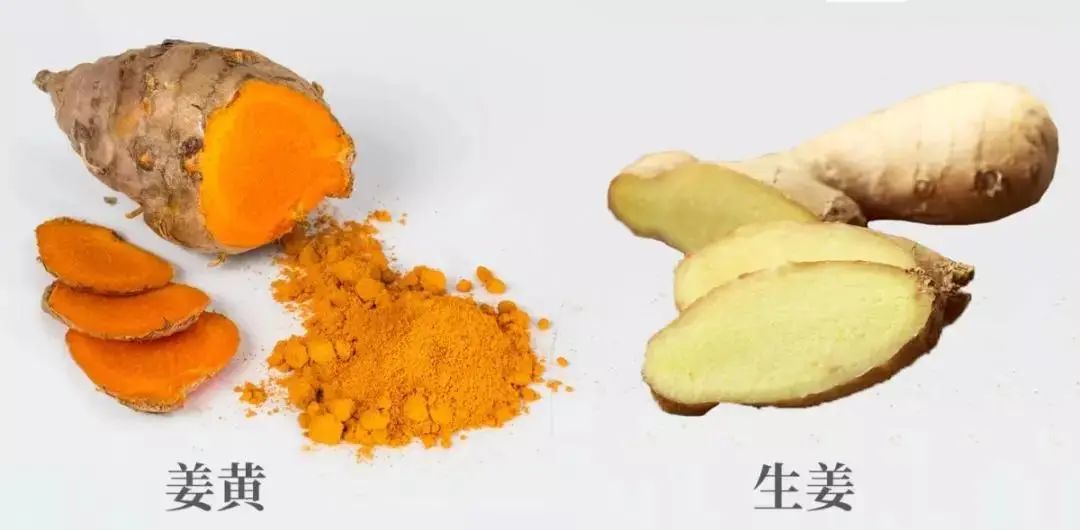
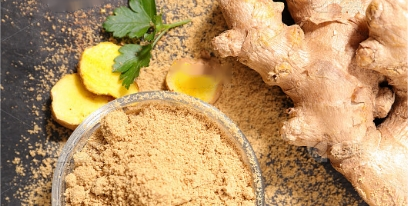
Ginger is associated with the spleen and stomach meridians and has a warming nature.
According to ancient Chinese texts, ginger helps dispel cold, alleviate fever, reduce acid reflux, ease nausea, and relieve phlegm and cough. It is traditionally used to address symptoms such as chills, fever with aversion to cold, headaches, nasal congestion, vomiting, phlegm-induced cough, bloating, and diarrhea. Ginger is beneficial in treating colds, a cold-sensitive stomach, vomiting, and phlegm-related coughs.
Its key components include gingerol, gingerene, hydrochlorine, guanene, and limonene, along with the pungent compound gingericin.
Turmeric has a reddish outer skin and vibrant flesh. Beyond its role as a key ingredient in curry and a popular food seasoning, its active compound, curcumin, offers potential benefits in preventing and treating various diseases.
Turmeric is also known for its gentle effects on the heart, liver, spleen, and stomach meridians.
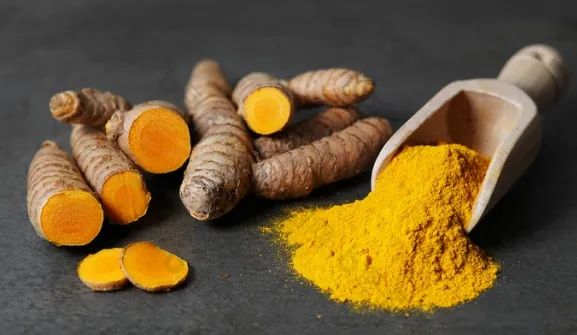
Curcumin, a popular health food, has a long history and plays a significant role in traditional medicine. Turmeric has been used in India and Asia for over 6,000 years. In ancient India, it was highly regarded as an “all-purpose medicine,” with its primary active ingredient being curcumin—a yellow pigment extracted from its root.
Li Shizhen’s Compendium of Materia Medica, written during the Ming Dynasty, provides a detailed account of turmeric. Curcumin is often referred to as the “gold” of medicine. It is pungent, bitter, and non-toxic, known for its ability to dispel wind-heat and treat carbuncles. Historically, ginger root was also used to alleviate rheumatic arthralgia and relieve heart pain.
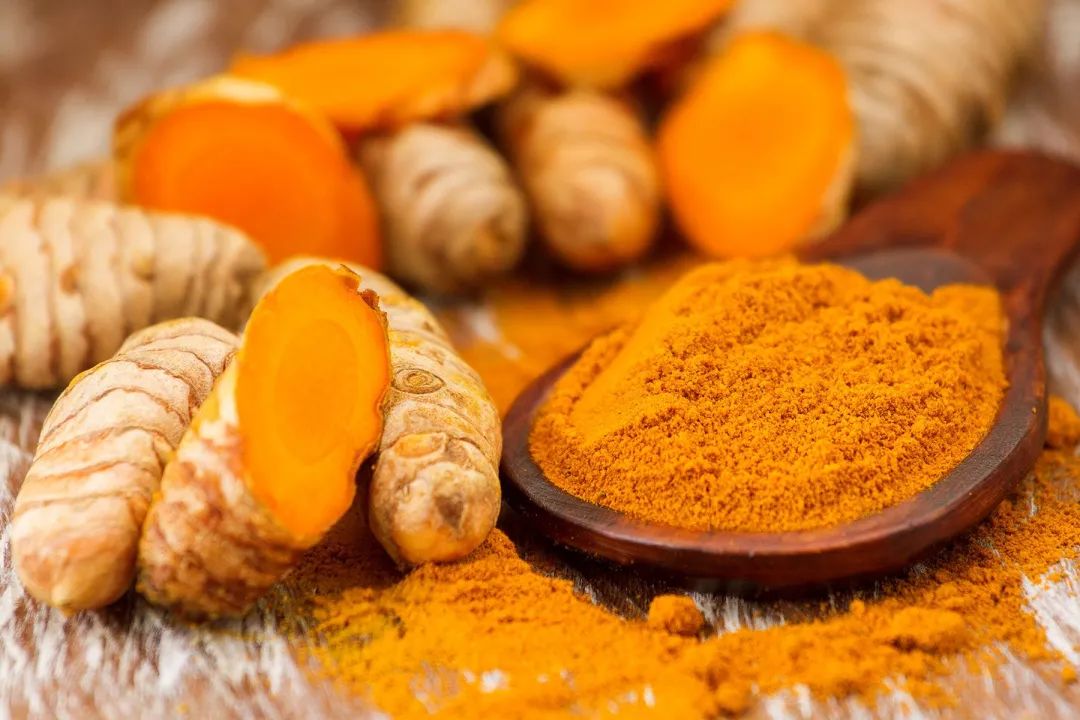
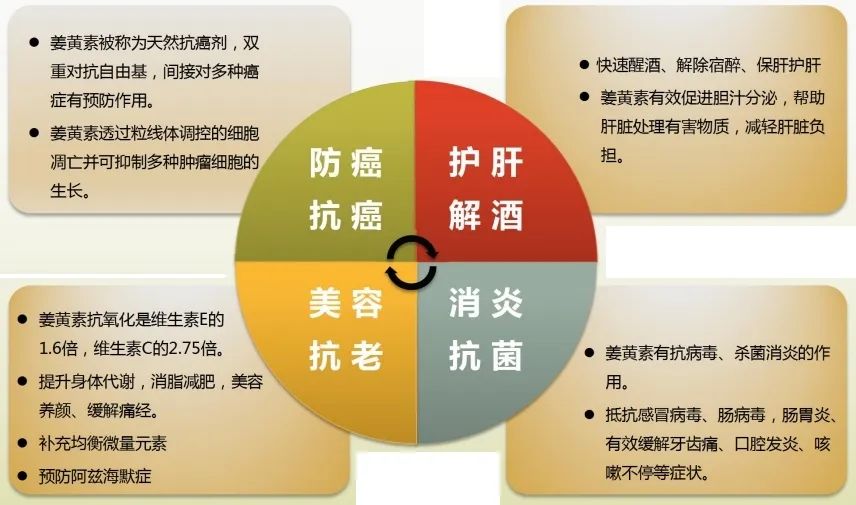
Turmeric has long been recognized in traditional Chinese medicine, with curcumin as its primary active compound. Curcumin exerts a wide range of effects on various bodily systems. Modern pharmacological research has demonstrated its anti-inflammatory, antioxidant, anti-tumor, and anti-atherosclerotic properties, along with its protective benefits for the liver and kidneys.
Currently, curcumin is a topic of significant global scientific interest, attracting substantial investment in research and development. Over the past two decades, approximately 4,500 scientific papers on curcumin have been published worldwide.
In both Europe and the United States, curcumin has garnered the attention of researchers, and major hospitals are actively integrating it into cancer treatments. Its health benefits have been widely recognized by the medical community.
Red, Ginger, Yellow
Curcuma longa L. is a specific variety within the Curcaceae family, known for its exceptionally high curcumin content. In fact, red turmeric contains over seven times the curcumin found in autumn turmeric and an astounding 74 times more than spring turmeric, earning it the title of “the king of curcumin.”
This remarkable curcumin concentration gives red turmeric superior efficacy. However, it is the rarest among all turmeric varieties, making it especially valuable.
Extensive research on both humans and animals has revealed that curcumin has low oral bioavailability. It is insoluble in water and dissolves more readily in organic solvents or oils.
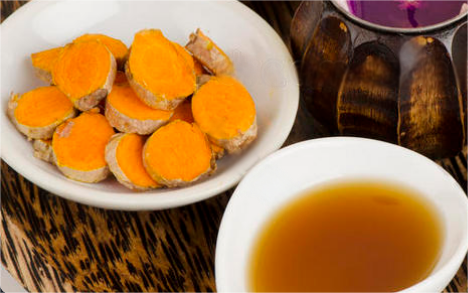
Currently, if you want to gain health benefits from consuming turmeric, you might as well eat curry directly. Since curcumin is a fat-soluble compound, the body can only absorb it effectively when combined with oil or heat. Curry is typically prepared with oil, making its curcumin content more easily absorbed.
As a result, developing water-soluble small-molecule curcumin to improve absorption has become a key research focus for various scientific institutions.
True water-soluble curcumin dissolves quickly in water, and when the liquid evaporates, the remaining brown-yellow residue is curcumin.
With this breakthrough in water-soluble curcumin research, incorporating curcumin into premium health foods has now become a reality.
Quick Links
Products
Help
Get In Touch
- #04-10, IMM, 2 Jurong East Street 21, Singapore 609601
- +65 8182 3855
- kwhzg@me.com
Copyright © 2025 SOLX For Health. All Rights Reserved.
Join Our Newsletter Now
Get E-mail updates about our latest shop and special offers.
 EN
EN  ZH
ZH